
黑头与白头粉刺:原因、区别及专业治疗全指南
13th January 2026
第一次黑眼圈咨询:专业流程与治疗方案全解析
13th January 2026黑头与白头粉刺:原因、区别及专业治疗全指南
13th January 2026第一次黑眼圈咨询:专业流程与治疗方案全解析
13th January 2026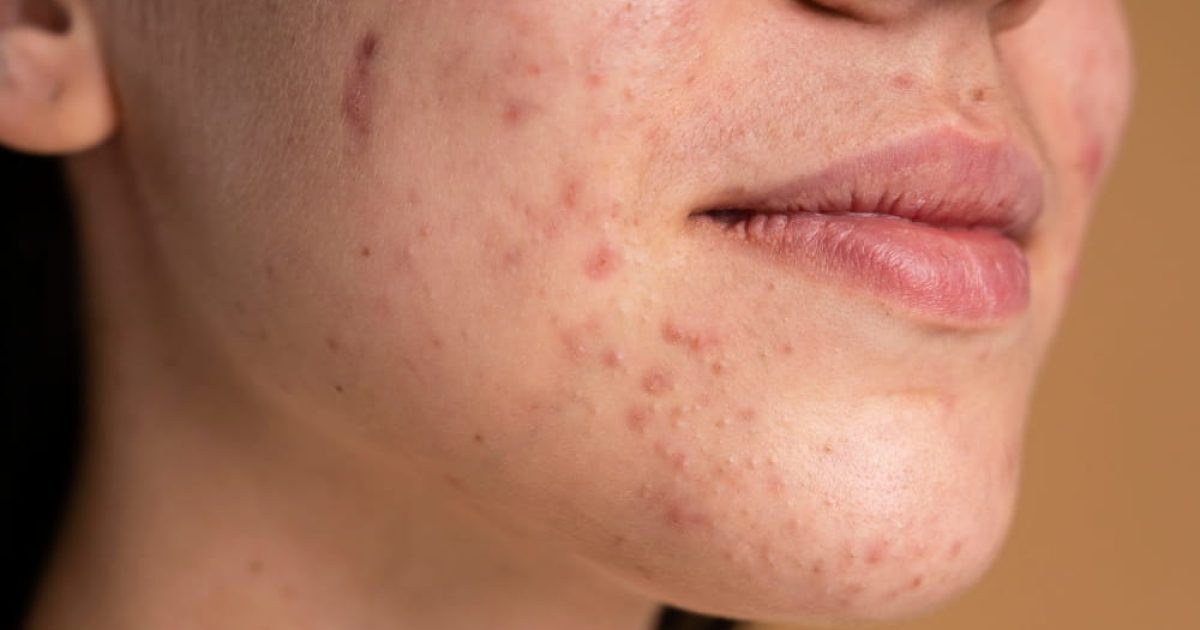
Best Treatment for Acne Scar Removal Near Petaling Jaya
Acne is a nearly universal skin condition, affecting millions of people worldwide, particularly during the hormonal shifts of adolescence. While the initial breakouts can often be managed with dedicated care, the structural reminders of scars they leave behind can be long-lasting and emotionally distressing. These imperfections range from minor surface indentations to deep, prominent pits that can significantly impact an individual’s self-esteem and overall well-being.
Fortunately, modern dermatological advancements available at a professional aesthetic clinic provide a variety of effective options for acne scar removal. Understanding the biology of how your skin heals and the specific type of scarring you possess is the essential first step toward achieving a refreshed and clearer complexion.
If you have been searching for a way to finally address those persistent reminders of past breakouts, exploring professional acne scar treatment could be the step forward you need. Today’s innovative technology utilises ultra-short pulses or lasers to break down scar tissue and stimulate collagen production without causing excessive heat damage to surrounding tissues. Professional aesthetic clinics such as Neo Areum clinic offer targeted treatments that address various skin concerns with minimal discomfort and downtime. By choosing a reputable provider, you ensure that your journey toward skin rejuvenation is handled with clinical expertise and personalised care.
Understanding the True Nature of Acne Scars
Acne scars are essentially the visible result of the skin’s complex healing process following an inflammatory breakout. When acne lesions are deep or severely inflamed, they cause significant damage to the underlying dermal tissue. Depending on how your body responds during the repair phase, different types of scars may form, each requiring a unique strategy for acne scar removal. Correctly identifying whether a scar is atrophic or hypertrophic is crucial, as the American Academy of Dermatology explains that different treatments are required depending on how deep the damage reaches into the skin’s layers.
Atrophic Scars: The Most Common Concern
Atrophic scars are characterized by depressions or “pits” in the skin’s surface. These occur when the body fails to produce enough collagen to replace the damaged tissue during the healing process. Specialists at an aesthetic clinic typically categorize these into three sub-types: ice pick scars (deep and narrow), boxcar scars (broad with sharp edges), and rolling scars (shallow with a wave-like appearance).
Hypertrophic and Keloid Scars
In contrast, hypertrophic and keloid scars are raised above the skin’s surface. These are the result of an overproduction of collagen during the repair phase. While hypertrophic scars stay within the boundary of the original wound, keloids can extend beyond it and grow over time. Identifying these is critical, as the approach for acne scar removal must be carefully managed to avoid triggering further excess collagen growth.
Top Treatments for Acne Scar Removal
While topical products like retinoids and Vitamin C can offer mild surface improvements, they are often insufficient for structural scarring. For significant results, patients often turn to the advanced services provided by a licensed aesthetic clinic.
1. Advanced Laser Therapy
Laser treatments are widely considered the gold standard for acne scar removal due to their precision and efficacy. By targeting the deeper layers of the skin, lasers stimulate collagen remodeling to fill in depressions and smooth out the texture.
- Fractional CO2 Laser: This powerful tool uses microscopic beams of light to penetrate the skin and break down tough scar tissue. It is highly effective for deep, atrophic scars but usually requires a few days of healing.
- Fractional Erbium Laser: A gentler alternative that targets superficial scarring with minimal downtime, making it a popular choice for those with busy lifestyles.
2. Microneedling: Collagen Induction
Microneedling involves using a medical-grade device with tiny needles to create controlled micro-injuries in the dermis. This process triggers the body’s natural healing response and boosts collagen production. For many seeking acne scar removal, this treatment is ideal because it raises depressed scars and improves overall skin firmness.
3. Chemical Peels for Resurfacing
A chemical peel involves applying a specialized acid solution to exfoliate the damaged outer layers of skin. This revealing of fresher, healthier skin beneath is particularly effective for shallow acne scar removal and reducing post-inflammatory hyperpigmentation. Glycolic and salicylic acids are commonly used in an aesthetic clinic setting to penetrate deep enough to stimulate structural change.
4. Topical Treatments
For mild acne scars, topical treatments can be a first-line option. These include over-the-counter and prescription products designed to promote skin healing and cell turnover.
- Retinoids: Topical retinoids, such as tretinoin, accelerate skin cell turnover, which helps to fade hyperpigmented scars and smooth out the skin’s texture. Regular use can stimulate collagen production, leading to a gradual improvement in the appearance of scars.
- Vitamin C Serums: Vitamin C is known for its brightening properties and ability to even out skin tone. It helps to fade dark spots and reduces hyperpigmentation associated with acne scars.
- Silicone Gels and Sheets: Silicone products are often used to treat raised scars. They work by hydrating the scar and creating a protective barrier, which can help to flatten and smooth out hypertrophic scars over time.
Injectables and Surgical Solutions
In cases where non-invasive energy devices are not enough, an aesthetic clinic may suggest direct volume replacement or minor surgical techniques.
Dermal Fillers
Dermal fillers are injectable substances, often made of hyaluronic acid, that provide immediate volume to pitted areas. While they provide an instant fix for acne scar removal, the results are temporary and typically require maintenance every six to twelve months.
Punch Excision and Grafting
For deep “ice pick” or “boxcar” scars, surgical intervention may be the most viable route. Punch excision involves removing the individual scar tissue and closing the site with a microscopic stitch. Punch grafting, on the other hand, replaces the scar with a small piece of healthy skin from elsewhere on the body. These precision techniques are often used at Neo Areum clinic as part of a multi-modal treatment plan.
Home Remedies and Natural Treatments
While professional treatments tend to offer the best results, some individuals may prefer home remedies for acne scar treatment. Common natural options include aloe vera, honey, and lemon juice. Aloe vera is known for its soothing and anti-inflammatory properties, which can help to reduce redness and promote healing. Honey, particularly raw honey, has antibacterial properties and can help to hydrate the skin. Lemon juice, with its natural bleaching effect, is sometimes used to lighten dark spots, though it can make skin more sensitive to sunlight.
While these remedies can offer mild improvements, they are generally not as effective as medical treatments and should be used with caution.
Choosing the Right Treatment
The best treatment for acne scars depends on several factors, including the type and severity of the scars, the individual’s skin type, and their budget. Consulting with a dermatologist is crucial to determine the most appropriate treatment plan. A dermatologist can assess the scars and recommend the most effective treatments based on the patient’s unique needs.
Frequently Asked Questions (FAQ)
The number of sessions varies depending on the severity and type of scarring. Generally, patients require between 3 to 5 sessions of laser or microneedling to see significant results.
Most professional treatments involve some level of sensation, often described as a slight pinch or heat. Aesthetic clinics typically apply a topical numbing cream to ensure patient comfort throughout the procedure.
Downtime depends on the laser used. Genter lasers might only cause redness for 24 hours, while a Fractional CO2 laser may require 5 to 7 days for the skin to fully heal and peel.
It is generally recommended to get active acne under control first. Treating scars while active inflammation is present can lead to further irritation and may even trigger new scarring.
Procedures like laser therapy and microneedling produce permanent improvements in skin structure by rebuilding collagen. However, dermal fillers are temporary and will eventually be absorbed by the body.
Conclusion
The journey toward acne scar removal is a deeply personal one, rooted in the desire to look and feel your absolute best. While scars can be a source of frustration, the modern aesthetic landscape offers more hope than ever before. From the surface-level rejuvenation of chemical peels to the deep structural changes facilitated by fractional lasers, a professional aesthetic clinic can help you navigate these options to find a solution that fits your skin type and lifestyle.
At Neo Areum clinic, we are committed to providing evidence-based care and advanced acne scar treatment tailored to your unique needs. We understand that your skin is your first impression to the world, and our goal is to ensure that impression is one of health and confidence. Whether you are interested in exploring our full range of services or simply want an expert’s opinion on your skin’s condition, we are here to support you.
To take the first step toward a smoother complexion and professional acne scar removal, book a consultation with our professional aestheticians today. Let us help you leave your scars in the past and step into a clearer, more radiant future.