

饮食与粉刺:为了更健康肌肤应避免的 5 种食物
19th January 2026
不只是睡眠不足:深度解析黑眼圈的多重成因与改善对策
21st January 2026饮食与粉刺:为了更健康肌肤应避免的 5 种食物
19th January 2026不只是睡眠不足:深度解析黑眼圈的多重成因与改善对策
21st January 2026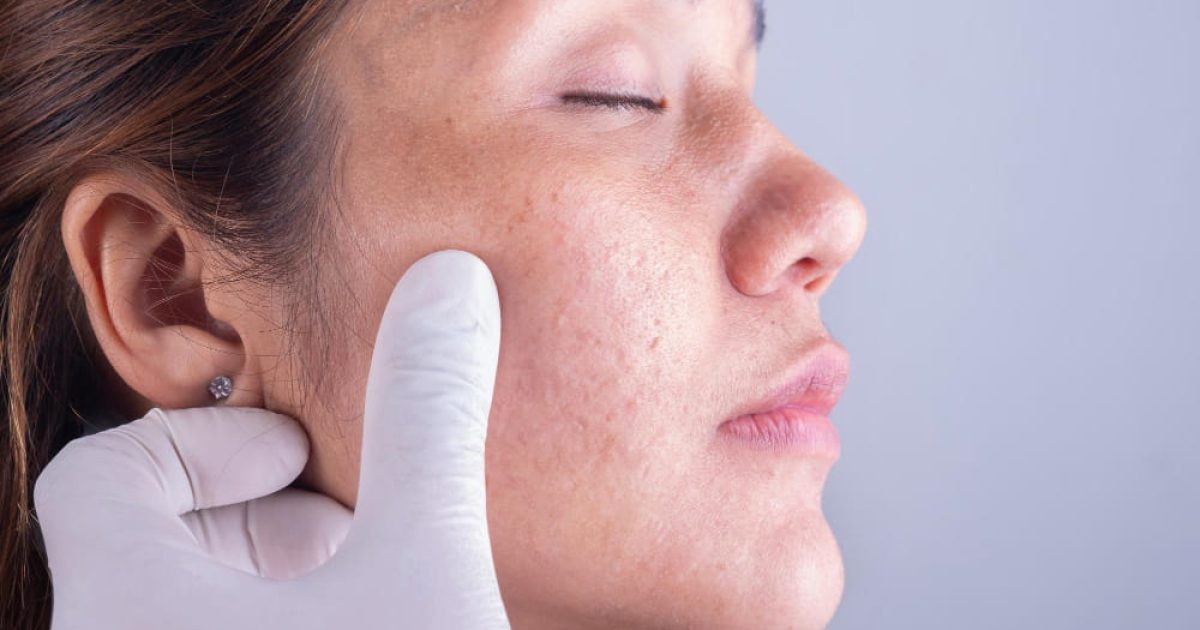
What Makes Acne Scar Treatment Work? Laser vs Microneedling
Acne is a nearly universal experience, but the physical reminders it leaves behind in the form of scarring can be a source of long-term frustration. Whether you are dealing with deep indentations or surface irregularities, modern dermatology has evolved to offer solutions that go far beyond what any over-the-counter cream can achieve. When it comes to effective remodeling, two heavyweights dominate the conversation: fractional lasers and professional microneedling.
At Neo Areum Clinic, we believe that understanding the biological “why” behind these treatments is the first step toward clearer skin. While both methods are designed to trigger the body’s natural regenerative powers, they do so through different mechanisms and suit different lifestyles. This article explores the clinical differences to help you determine which path is right for your unique skin profile.
The Biology of Scarring: Why Home Remedies Fail
To understand why professional microneedling or laser therapy works, one must first understand the anatomy of a scar. Acne scars, particularly atrophic ones, form when the skin’s inflammatory response to a breakout disrupts the normal production of collagen and elastin. The result is a “pit” or depression where the dermal structure has effectively collapsed.
Home remedies often fail because they only treat the epidermis, the outermost layer of the skin. However, the root of the scar lies deeper in the dermis. Transformative results require a “controlled injury” that reaches these deeper layers to restart the collagen-building process, a principle known as neocollagenesis.
How Microneedling Triggers Natural Repair
Professional microneedling, often referred to as collagen induction therapy, uses a device equipped with medical-grade, sterile needles to create thousands of microscopic punctures in the skin’s surface. These micro-channels are perceived by the body as tiny wounds, triggering a “wound-healing cascade”.
The Three Phases of Healing in Microneedling
- Inflammation: Immediately after the microneedling session, the skin releases growth factors to begin tissue repair.
- Proliferation: New collagen and elastin are produced to fill the micro-channels created by the needles.
- Remodelling: Over several months, this new tissue matures, gradually filling in atrophic scars and smoothing out the skin’s texture.
Because microneedling does not use heat, it is often the preferred option for individuals with darker skin tones (Fitzpatrick types IV-VI), as it carries a significantly lower risk of post-inflammatory hyperpigmentation compared to certain lasers.
The Power of Laser: Resurfacing Through Light Energy
While microneedling relies on mechanical stimulation, laser treatments use focused light energy to achieve results. There are two primary categories of lasers used for acne scars:
- Ablative Lasers (e.g., CO2 and Erbium): These are the “gold standard” for severe, deep-seated scars. They work by vaporising the outermost layer of damaged skin and heating the underlying dermis to cause immediate collagen contraction and long-term renewal.
- Non-Ablative Lasers: These penetrate the skin without damaging the surface. While they require more sessions than ablative options, they offer much shorter downtime.
Laser therapy is often more precise in its ability to target specific depths and is generally more effective for deep “ice-pick” or sharp-edged “boxcar” scars. However, the increased power comes with a trade-off: longer recovery times and a higher requirement for strict sun avoidance post-treatment.
Comparing Effectiveness: Which One Wins?
The choice between laser and microneedling depends largely on the specific type of scars you have. In Malaysia’s diverse climate, skin type also plays a massive role in safety.
For Rolling and Shallow Scars
Microneedling is exceptionally effective for “rolling” scars—broad depressions with a wavy appearance. The mechanical action of the needles helps break up the fibrous bands that pull the skin downward. For those seeking gradual improvement with minimal disruption to their daily routine, microneedling is often the superior choice.
For Deep and Pitted Scars
For individuals with significant depth in their scarring, such as deep boxcar scars, fractional CO2 lasers often provide more dramatic results in fewer sessions. A study comparing the two found that while both were effective, lasers generally provided a higher percentage of improvement for deep textural issues.
The Rise of RF Microneedling: A Hybrid Approach
In recent years, the industry has seen the rise of Radiofrequency (RF) microneedling. This advanced treatment combines the mechanical benefits of traditional microneedling with the thermal energy of a laser. By delivering RF energy through the tips of the needles directly into the dermis, practitioners can stimulate collagen at deeper levels without the surface risks associated with ablative lasers. This hybrid technology has become a popular choice at Neo Areum for its ability to treat stubborn scars with relatively low downtime.
What to Expect During and After Treatment
Regardless of which of the advanced treatments you choose, preparation and aftercare are vital. For microneedling, patients typically experience 24 to 48 hours of redness, similar to a mild sunburn. Most can return to wearing makeup and resuming social activities within a couple of days.
Laser treatments, particularly ablative ones, require a more intensive recovery. Swelling, peeling, and redness can last anywhere from 5 to 14 days. During this time, the skin is highly sensitive to ultraviolet radiation, making the use of a broad-spectrum SPF 50+ non-negotiable.
Frequently Asked Questions (FAQ)
While some see improvement after one session, most patients require a series of 3 to 6 microneedling treatments spaced 4 to 6 weeks apart for optimal collagen remodelling.
Most professional clinics apply a high-strength topical numbing cream before the procedure. This makes the microneedling sensation feel like a light “prickling” or vibrating pressure rather than pain.
Yes. Many practitioners use combination protocols, alternating between laser and microneedling to target both surface pigment and deep textural scars simultaneously for 360-degree rejuvenation.
Yes, the collagen produced during microneedling or laser therapy is your own tissue and is permanent. However, natural ageing will continue, and new acne breakouts can cause new scarring if not managed.
Microneedling and RF microneedling are generally considered safer for Asian and darker skin tones because they avoid the thermal heat that can trigger hyperpigmentation on the skin’s surface.
Conclusion
Choosing between laser and microneedling is not about finding the “best” machine, but the best approach for your specific scar profile and skin sensitivity. While lasers offer power and speed, microneedling provides a versatile, low-risk path to smoother skin that is accessible to almost all skin types.
If you are ready to stop hiding behind makeup and start your journey toward lasting skin health, the first step is a professional assessment. Every face tells a different story, and your treatment plan should be just as unique. To find out which of our services is most suitable for you, book a consultation with the experts at Neo Areum Clinic today and take the first step toward reclaiming your confidence.