
粉刺反复出现的原因与科学改善方法
3rd December 2025
黑眼圈改善后如何保养,才能维持效果?
5th December 2025粉刺反复出现的原因与科学改善方法
3rd December 2025黑眼圈改善后如何保养,才能维持效果?
5th December 2025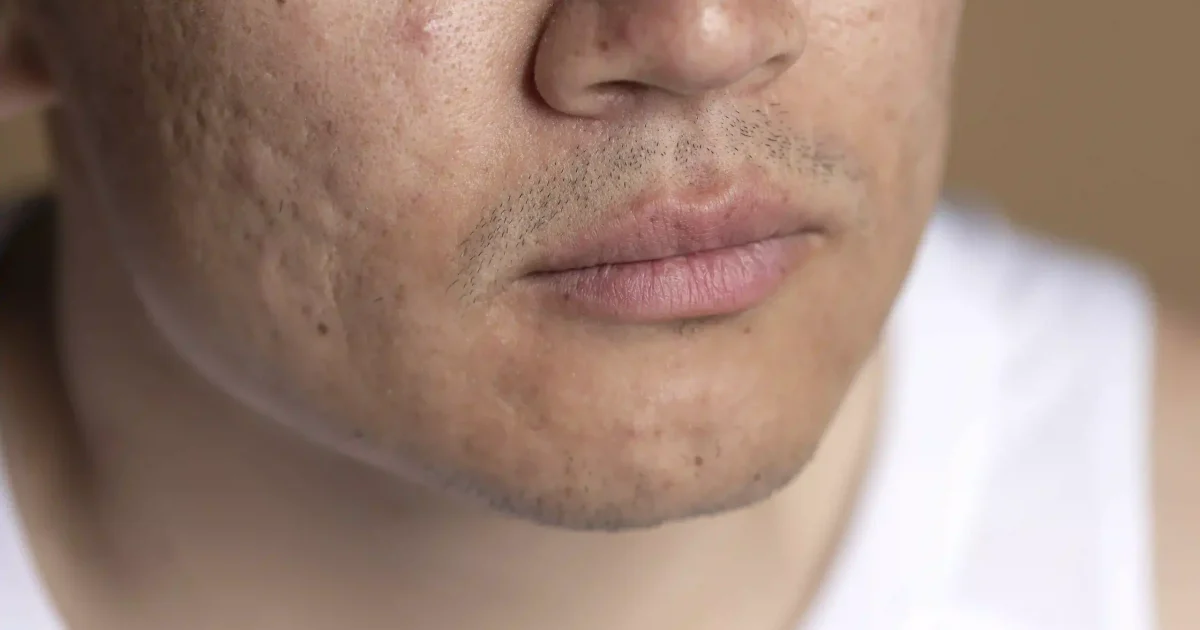
Acne Scar Treatment Timeline: How Long for Real Results?
Acne scars are a common concern for both teenagers and adults long after active breakouts have resolved. While acne itself may fade with time, scarring can persist for years and significantly affect confidence, skin texture, and overall appearance. At Neo Areum Clinic, patients frequently seek clarity on one important question: how long does acne scar treatment actually take to deliver visible and lasting results?
Understanding the acne scar treatment timeline is essential for setting realistic expectations and maintaining commitment throughout the treatment journey. Skin regeneration, collagen remodelling, and pigmentation correction are gradual biological processes that require consistency and professional guidance. With personalised treatment planning and evidence-based approaches, Neo Areum Clinic helps its patients to navigate this process safely while working towards smoother, healthier-looking skin over time.
Understanding Acne Scars and Why Results Take Time
Acne scars develop when inflammation from acne damages the deeper layers of the skin, particularly the dermis where collagen and elastin are produced. When the body attempts to repair this damage, it may produce too little or too much collagen, resulting in depressed scars, raised scars, or uneven pigmentation. Because collagen regeneration occurs slowly, improvements in acne scars are progressive rather than immediate.
Different scar types respond differently to treatment. Ice pick scars are deep and narrow, boxcar scars are wider with defined edges, rolling scars create uneven skin texture, and post-inflammatory hyperpigmentation appears as dark marks rather than structural damage. Each requires a tailored treatment approach, which directly affects the acne scar treatment timeline. For most individuals, multiple sessions over several months are necessary to achieve meaningful improvement. Because each acne scar type behaves differently, our article on Understanding Different Types of Acne Scars offers helpful context for understanding treatment timelines.
Factors That Influence the Acne Scar Treatment Timeline
Several factors determine how quickly results become visible during acne scar treatment. Scar severity plays a significant role, as mild pigmentation may improve within months, while deeper atrophic scars can take up to a year or more to remodel. Skin age and overall health also influence healing capacity, with younger skin generally producing collagen more efficiently.
Consistency in aftercare is equally important. Sun protection, appropriate skincare, hydration, and adherence to post-treatment instructions can significantly accelerate progress. Skipping sessions or neglecting skincare routines may delay results and reduce treatment effectiveness. Finally, the type of acne scar treatment selected has a direct impact on the timeline, as some methods stimulate gradual improvement while others deliver faster but still progressive changes.
Top Acne Scar Treatment Options and Expected Timelines
Topical Treatments and Skincare-Based Approaches
Topical treatments are often recommended for mild acne scarring and pigmentation issues. Products containing retinoids, vitamin C, or alpha hydroxy acids work by promoting cell turnover and stimulating mild collagen production. While these treatments are non-invasive and accessible, they require patience and consistency.
Most individuals begin to notice subtle improvements after eight to twelve weeks, with clearer changes appearing after three to six months of continuous use. Topical treatments are most effective for surface-level concerns rather than deep structural scars and are often used as part of a broader acne scar treatment plan.
Chemical Peels and Skin Resurfacing Treatments
Chemical peels involve applying a controlled acid solution to exfoliate the skin and encourage regeneration. Superficial peels may produce visible brightness within weeks, while medium-depth peels require multiple sessions spaced several weeks apart.
Patients typically observe noticeable improvements after two to three sessions, placing the acne scar treatment timeline for chemical peels at approximately two to four months. Chemical peels are frequently combined with other treatments to enhance overall results and improve skin texture more effectively.
Microneedling and Collagen Induction Therapy
Microneedling is a widely used treatment for acne scars due to its ability to stimulate natural collagen production. Fine needles create micro-injuries in the skin, triggering the body’s healing response and encouraging gradual scar remodelling.
Although the skin may appear refreshed shortly after treatment, deeper improvements take time. Most treatment plans involve three to six sessions spaced one month apart. Visible improvement typically begins around the three-month mark, with continued progress for up to six months after the final session as collagen continues to rebuild.
Laser Therapy for Acne Scars
Laser treatments are among the most advanced options available for acne scar correction. They work by either removing damaged skin layers or stimulating deeper collagen remodelling. Non-ablative lasers usually require multiple sessions and show results within three to six months.
Ablative laser treatments may produce more noticeable changes after a single session, but full healing and collagen renewal can take up to twelve months. Research published by the National Institutes of Health highlights that collagen remodelling following laser therapy occurs gradually as part of a prolonged biological healing process.
Dermal Fillers and Minor Surgical Procedures
Dermal fillers provide immediate improvement by lifting depressed scars, although results are temporary and typically last between six and eighteen months. Surgical options such as subcision or punch excision may show visible changes soon after treatment, but full healing still requires several months.
These approaches are often combined with laser or microneedling treatments to enhance long-term outcomes and achieve more comprehensive scar correction.
Why Combination Treatments Often Deliver Better Results
No single acne scar treatment is universally effective on its own. Dermatologists frequently recommend combination therapy to address different aspects of scarring simultaneously. For example, microneedling may be paired with chemical peels or topical treatments to accelerate collagen production and improve surface texture.
When treatments are strategically combined, patients may experience faster and more noticeable improvements within six to nine months. A personalised treatment plan ensures that each scar type is addressed appropriately while maintaining skin safety and long-term skin health.
Setting Realistic Expectations for Acne Scar Treatment
Managing expectations is a critical part of any acne scar treatment journey. While online images may suggest instant transformations, real skin healing takes time. Most individuals begin to see meaningful improvement within three to six months, while optimal results often require up to a year depending on scar severity and treatment intensity.
Consistency, professional supervision, and patience are essential. Understanding the acne scar treatment timeline helps individuals remain committed and confident throughout the process, ultimately leading to more satisfying and sustainable results.
Frequently Asked Questions (FAQ)
Most patients notice visible improvement within three to six months, while deeper scars may require up to twelve months for optimal results.
While complete removal is not always possible, professional treatments can significantly reduce the appearance of acne scars and improve skin texture.
Dermal fillers and certain laser treatments may show faster initial results, but long-term improvement still depends on collagen remodelling over time.
When performed by trained professionals, acne scar treatments are generally safe and can be customised for sensitive skin types.
Yes, combination treatments often produce better and faster results by addressing multiple scar concerns simultaneously.
Conclusion
Acne scar treatment has become a well-established and effective solution for improving skin texture, tone, and overall confidence. By stimulating the body’s natural healing response and encouraging collagen regeneration, modern treatments allow scars to soften and remodel gradually without compromising skin safety. While visible improvements take time, a structured and professionally guided approach offers long-term value, natural-looking results, and sustainable skin improvement when expectations are managed realistically.
At Neo Areum Clinic, patient care is guided by personalised treatment planning, clinical expertise, and a strong commitment to safety. Every acne scar treatment journey is tailored to individual skin concerns within a professional medical environment patients can trust. With evidence-based techniques and attentive care, Neo Areum Clinic supports patients at every stage of their skin restoration journey. Book a consultation today and take the first confident step towards clearer, smoother skin.