
How Often Should You Visit an Aesthetic Clinic for Facial Therapy
12th December 2025
Eye Bags Removal Options for Mild Eye Bags: What Works Best
2nd January 2026How Often Should You Visit an Aesthetic Clinic for Facial Therapy
12th December 2025Eye Bags Removal Options for Mild Eye Bags: What Works Best
2nd January 2026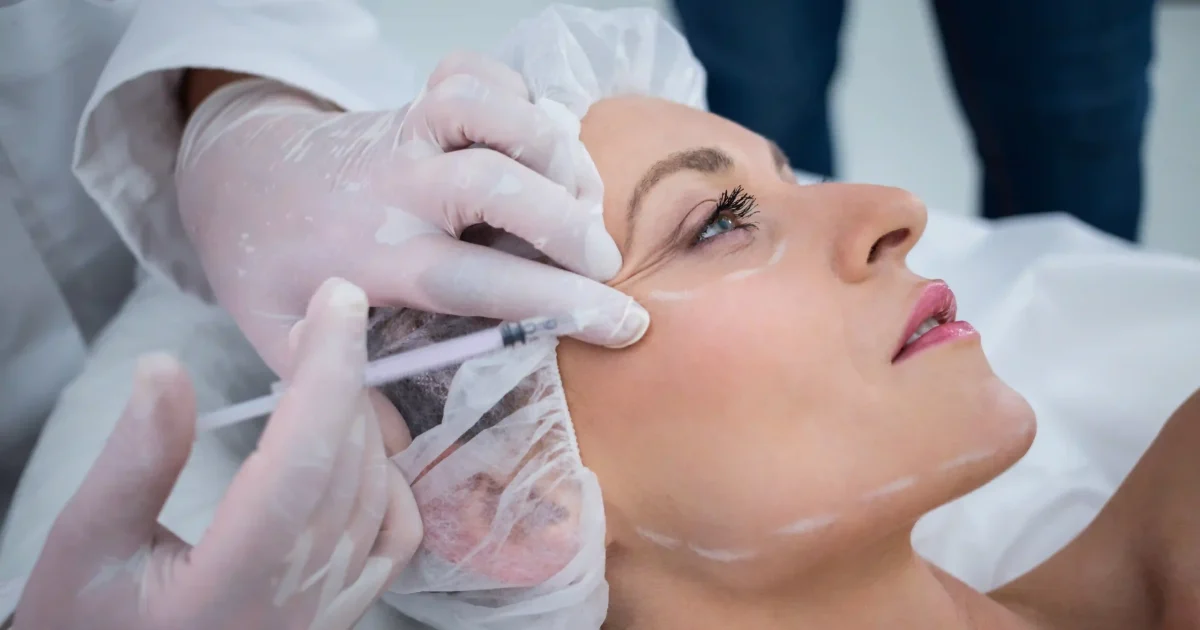
Botox Treatment: 3 Medical Advantages You Should Know
Botox is a name that has become synonymous with youth and aesthetic enhancement in the modern world. However, focusing solely on the ability of botox to smooth wrinkles overlooks a significant portion of its clinical value. At Neo Areum Clinic, we emphasize that botox is a versatile therapeutic tool that has revolutionized the fields of neurology, pain management, and dermatology. Over the past few decades, botox has transitioned from a niche cosmetic discovery to a clinically established botox treatment for a wide range of chronic medical conditions, all of which are supported by extensive peer-reviewed botox research and global regulatory approvals.
By broadening our understanding of the medical applications of botox, patients can make more informed decisions about their botox healthcare. It is time to dispel the misconception that botox is purely for vanity. When botox is used therapeutically, it provides life-changing relief for those suffering from debilitating pain and physical dysfunction. Below, we explore three key medical advantages of botox, explained through an evidence-based lens.
How Botox Works in Medical Treatments
To understand why botox is effective for such diverse conditions, one must first understand the botox mechanism of action. Botox is a purified form of botulinum toxin type A. While the word “toxin” may sound intimidating, botox is remarkably safe when administered in precise, controlled botox doses by the trained medical professionals who we are.
When botox is injected into specific areas, botox acts as a neuromodulator. Botox temporarily blocks the release of acetylcholine, a neurotransmitter responsible for signaling muscles to contract or glands to produce sweat. This targeted botox interruption allows for the reduction of excessive muscle activity or overactive gland secretion without impacting the surrounding healthy tissues.
One of the primary benefits of botox treatment is its predictability. The effects of botox are temporary, typically lasting between three and six months. This allows botox physicians to monitor patient progress closely and adjust botox dosages or injection sites during subsequent botox treatment cycles to achieve the most effective botox results. This iterative botox approach ensures that the botox treatment remains tailored to the unique physiological needs of every botox patient.
1. Botox for Chronic Migraine Management
Perhaps one of the most significant breakthroughs in botox pain management over the last twenty years is the use of botox for chronic migraines. Unlike a standard tension headache, a chronic migraine is a neurological condition often treated with botox. Patients with chronic migraine experience headaches on 15 or more days per month, and botox is frequently the recommended preventive botox therapy.
The approval of botox for this condition came after rigorous botox clinical trials proved its efficacy. According to research published in The Lancet Neurology, botox does not just mask the pain. Instead, botox works by blocking the pain-related neurotransmitters before they ever reach the nerve endings, essentially stopping the botox pain signal before it can trigger a migraine.
At our clinic, we often see botox patients who have “tried everything”. Medical botox is an ideal path for those who:
- Experience frequent migraines and seek botox relief.
- Have seen little improvement from traditional meds and prefer botox.
- Are concerned about pill side effects and want a botox alternative.
By reducing the frequency of attacks, botox allows botox patients to regain control of their daily lives.
2. Botox for Muscle Spasticity and Neurological Conditions
Beyond pain, botox is a cornerstone in the treatment of muscle spasticity. This condition involves involuntary muscle contractions that lead to persistent botox stiffness. Botox is a common intervention for individuals living with neurological disorders.
When muscles remain in a constant state of contraction, it can lead to permanent joint deformities, which botox can help prevent. By injecting botox directly into the overactive muscles, we can force them to relax. This botox relaxation provides several functional benefits:
- Botox significantly reduces muscle stiffness and botox pain.
- Botox improves the patient’s range of motion.
- Botox enhances overall mobility and corrects botox posture.
- Botox creates a “window of opportunity” for physiotherapy.
At Neo Areum Clinic, we provide a detailed look at what we do regarding botox therapeutic injections. These botox treatments are not cosmetic; they are medically necessary botox interventions that restore comfort.
3. Botox for Excessive Sweating (Hyperhidrosis)
The third major botox advantage is the treatment of hyperhidrosis, or excessive sweating. While everyone sweats, those with hyperhidrosis produce sweat far in excess, and botox is a leading solution.
Botox is an FDA-approved botox treatment for underarm sweating. The botox procedure works by “turning off” the chemical signals that tell the sweat glands to activate. Data found in the Journal of the American Academy of Dermatology suggests that botox can reduce sweat production by up to 80 percent in the botox treated areas.
The benefits of botox for sweating include:
- Rapid botox results, often within days.
- Long-lasting botox relief for four to six months.
- A completely non-surgical botox process with no downtime.
Safety Profile and Medical Reliability
Safety is a primary concern for any botox patient. It is important to note that botox has been used in clinical settings for over 30 years. Millions of botox procedures are performed annually. The U.S. Food and Drug Administration (FDA) continues to monitor botox use, consistently reinforcing its status as a trusted botox treatment.
Side effects of botox are typically minor and localized to the botox injection site. These may include temporary botox redness or mild botox swelling. Serious botox complications are extremely rare, provided the botox treatment is administered by botox professionals following established botox protocols.
Frequently Asked Questions (FAQ)
No. While botox is popular for aesthetics, botox is a vital medical treatment for botox migraines and botox spasticity.
Generally, botox effects last between three and six months. Regular botox maintenance appointments are scheduled.
Yes. Long-term botox studies have confirmed that botox remains safe and effective over many years.
Botox discomfort is minimal. We use fine botox needles, and the botox procedure is usually completed quickly.
Botox suitability is determined on a case-by-case basis during a botox consultation.
Conclusion
Botox is far more than just a cosmetic solution. It is a refined medical treatment with a wide range of therapeutic benefits. From easing chronic migraines to managing excessive sweating, its effectiveness is supported by strong clinical evidence and years of safe medical use.
At Neo Areum Clinic, every treatment is carefully tailored to the individual. Our experienced medical team focuses on precision, safety, and natural-looking results, ensuring that each patient receives a plan designed around their specific concerns and goals. We believe that aesthetic and medical treatments should enhance both confidence and comfort — without compromising safety.
If you are considering treatment and would like professional guidance, our team is here to help. Schedule your personalised consultation with Neo Areum Clinic today to discuss how botox can benefit you regarding a specific problem.