
Dark Eye Circles: How to Brighten Tired Eyes Safely and Effectively
9th December 2025
Microneedling: How Often Should You Do It for Best Results
11th December 2025Dark Eye Circles: How to Brighten Tired Eyes Safely and Effectively
9th December 2025Microneedling: How Often Should You Do It for Best Results
11th December 2025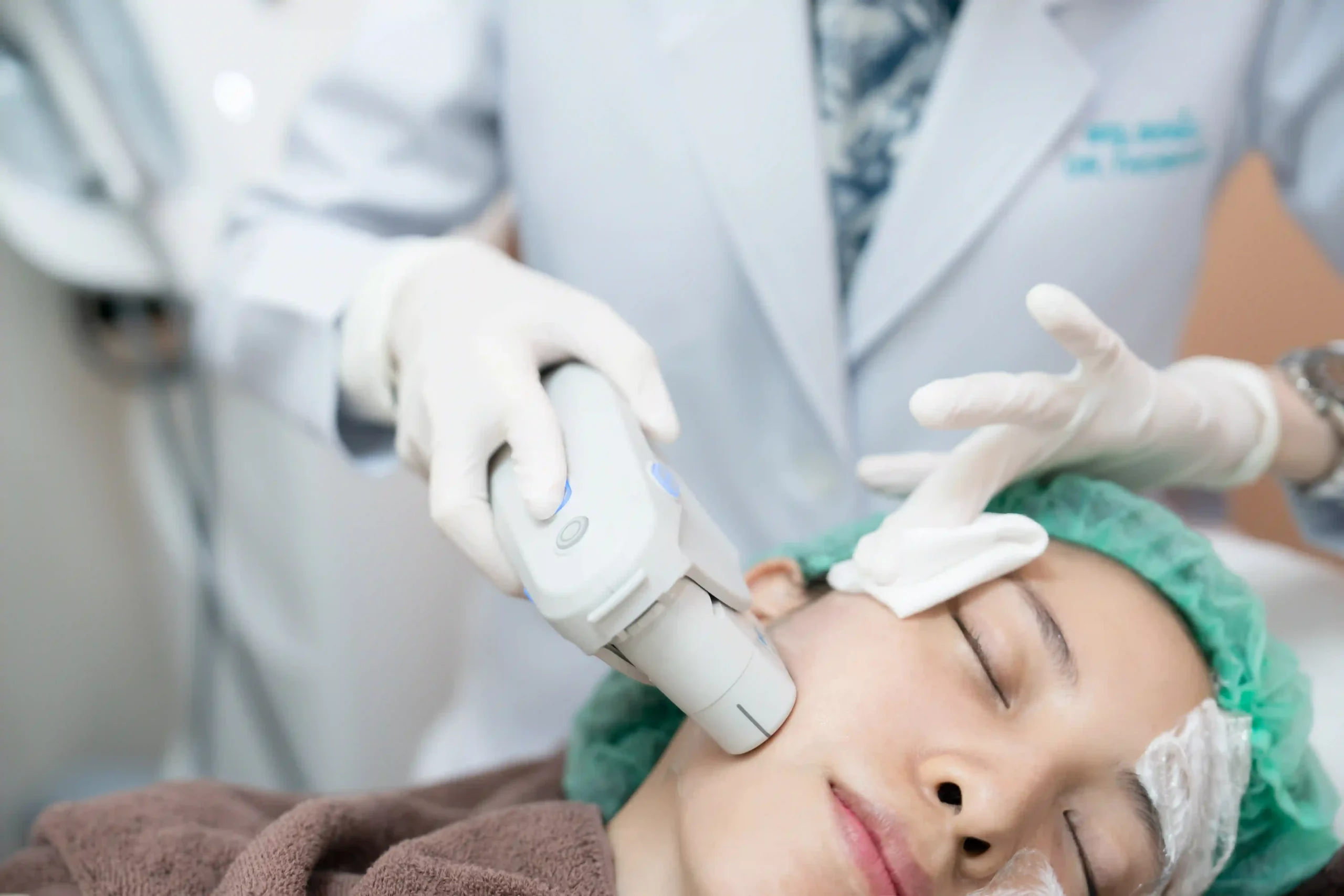
HIFU Treatment vs Threadlift: Which Lifting Lasts Longer?
Non-surgical facial lifting has become increasingly popular in Malaysia as more individuals seek effective rejuvenation without surgery. Among the most discussed options are hifu treatment and threadlift procedures. Both aim to lift and tighten the skin, yet they differ in how they work, how long results last, and who they are best suited for. Building on the comparison outlined in your reference article , this guide explains the key differences so patients can make informed decisions.
Rather than asking which option is “better,” it is more useful to understand which approach aligns with skin condition, expectations, and tolerance for invasiveness.
Understanding HIFU Treatment
Hifu treatment (High-Intensity Focused Ultrasound) is a non-invasive procedure that uses focused ultrasound energy to stimulate collagen production deep within the skin. Unlike lasers or radiofrequency, HIFU can reach the SMAS layer—the same structural layer targeted in surgical facelifts.
During a session, ultrasound energy creates controlled thermal points that trigger the body’s natural healing response. Over the following weeks, new collagen forms, leading to gradual tightening and lifting. In Malaysia, hifu treatment is commonly used for:
- Face and jawline lifting
- Eyebrow elevation
- Neck tightening
- Improving skin firmness and definition
Results develop progressively over two to three months and typically last around 12 to 18 months, depending on age, skin quality, and lifestyle.
What Is a Threadlift Procedure
A threadlift is a minimally invasive procedure where dissolvable threads are inserted beneath the skin to physically lift sagging tissue. These threads also stimulate collagen as they break down over time.
Threadlifts provide an immediate lifting effect, making them appealing to individuals who want visible results straight away. Common treatment areas include the cheeks, jawline, nasolabial folds, and marionette lines. Results can last up to 18–24 months, influenced by thread type and individual skin response.
Compared to hifu treatment, threadlift involves needles or cannulas and therefore requires more recovery and aftercare.
Longevity: Which Lifting Lasts Longer
When comparing duration alone, threadlift generally lasts longer than hifu treatment. The physical support provided by threads can maintain lifting effects for up to two years, while HIFU relies on collagen regeneration that gradually diminishes.
However, longevity should not be viewed in isolation. Hifu treatment improves overall skin quality and firmness through natural collagen renewal, which many patients prefer for subtle, progressive results. Threadlift offers stronger, immediate lifting but with slightly higher risks and downtime.
Clinical observations suggest:
- HIFU: gradual, natural-looking lift with minimal downtime
- Threadlift: immediate, more noticeable lift with longer persistence
Suitability for Different Age Groups and Skin Conditions
Hifu treatment is often recommended for individuals in their late 20s to early 40s who have mild to moderate skin laxity and want preventive or early corrective care. It is ideal for those who prefer a non-invasive approach and minimal disruption to daily activities.
Threadlift may be more suitable for individuals in their late 30s to 50s with more noticeable sagging who are comfortable with a minimally invasive procedure.
Many Malaysian clinics now recommend a combination approach—using hifu treatment first to improve skin firmness, followed by threadlift for structural lifting—depending on individual needs.
At Neo Areum Clinic, suitability is determined through detailed facial assessment rather than age alone, ensuring treatment choice aligns with anatomy and expectations.
Safety, Downtime, and Comfort
Hifu treatment is widely regarded as safe when performed by trained professionals. Common side effects include mild redness or tingling that resolves within hours. There is no downtime, and most patients return to normal activities immediately.
Threadlift involves more aftercare. Bruising, swelling, or tenderness may last several days, and temporary activity restrictions are usually advised. While complications are uncommon, proper technique and professional expertise are essential.
Choosing an experienced provider such as Neo Areum Clinic helps minimise risks and supports safe outcomes for both procedures.
Frequently Asked Questions (FAQ)
Most patients experience mild discomfort or warmth, which is generally well tolerated.
Results develop gradually over two to three months as collagen regenerates.
Threadlift often lasts longer, but results vary depending on skin condition and lifestyle.
Yes. In some cases, combining treatments enhances both skin quality and lifting effect.
Hifu treatment is often preferred for subtle, natural-looking rejuvenation.
Conclusion
When comparing hifu treatment and threadlift, there is no single answer to which lifting lasts longer or works best. Threadlift generally provides stronger and longer-lasting lifting, while hifu treatment offers a non-invasive, gradual improvement with minimal downtime and a focus on natural collagen renewal.
The right choice depends on skin condition, desired outcome, and comfort with invasiveness. At Neo Areum Clinic, practitioners emphasise personalised assessment and evidence-based recommendations to ensure safe, effective, and natural-looking results. If you are considering facial lifting options, you may book a consultation to explore whether hifu treatment, threadlift, or a combined approach best suits your goals.