
Microneedling: How Often Should You Do It for Best Results
11th December 2025
Botox Treatment: 3 Medical Advantages You Should Know
1st January 2026Microneedling: How Often Should You Do It for Best Results
11th December 2025Botox Treatment: 3 Medical Advantages You Should Know
1st January 2026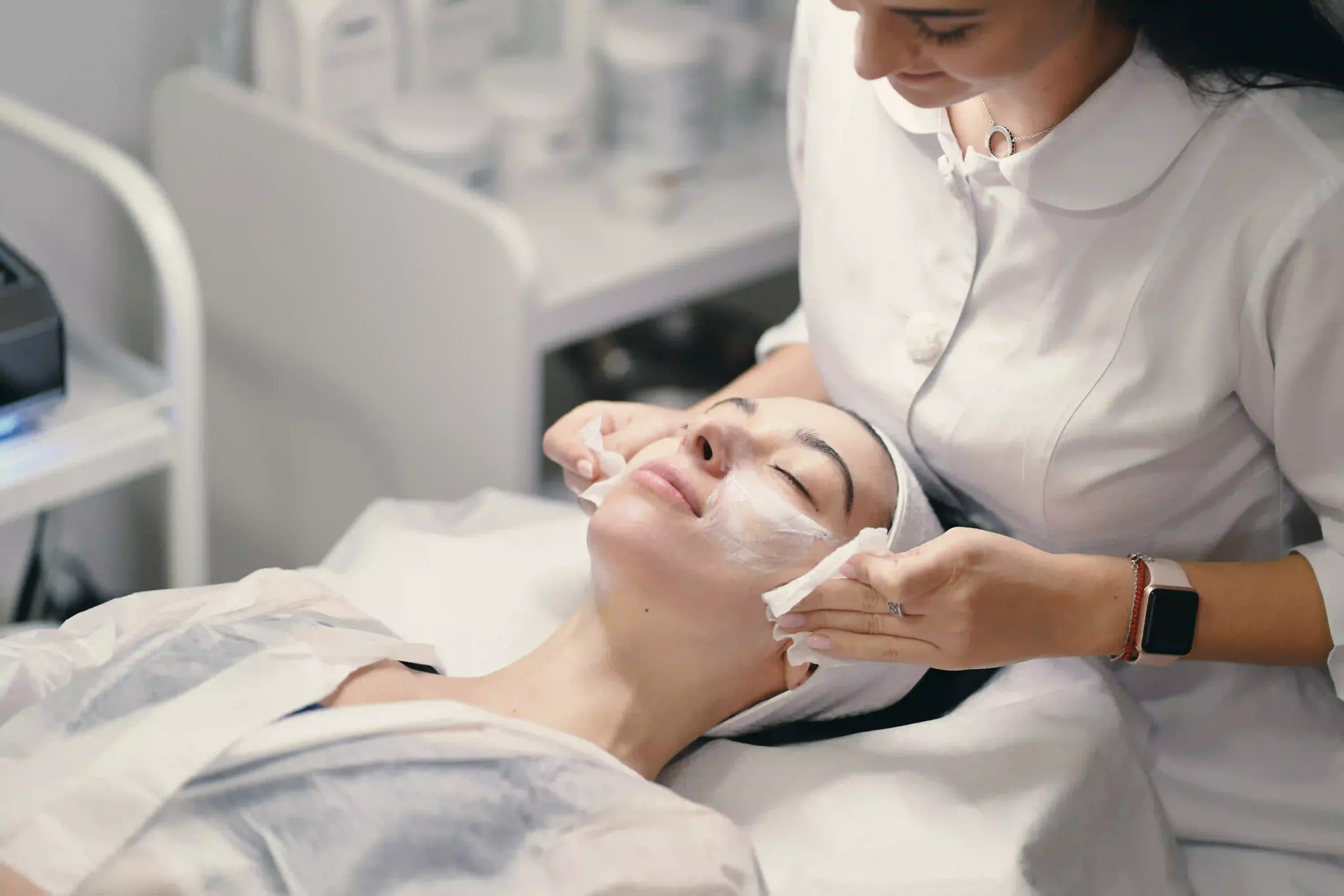
How Often Should You Visit an Aesthetic Clinic for Facial Therapy
Facial therapy has evolved from an occasional indulgence into an essential part of modern skin care. With increasing exposure to pollution, screen time, stress, and lifestyle-related skin issues, more people are turning to professional treatments to maintain healthy and resilient skin. Visiting an aesthetic clinic is no longer limited to special events; it is now a proactive approach to long-term skin health and maintenance.
One of the most common questions patients ask is how often they should schedule facial therapy. The answer is not universal. The ideal frequency depends on skin type, age, lifestyle, and specific skin concerns. Understanding these factors helps ensure that facial treatments are both effective and safe over time.
Understanding Facial Therapy and Its Purpose
Facial therapy refers to a range of professional skin treatments designed to cleanse, exfoliate, hydrate, and rejuvenate the skin. Unlike home skincare routines, treatments performed at an aesthetic clinic are delivered by trained professionals using medical-grade products and advanced technology.
These therapies may include deep cleansing facials, hydrating treatments, acne management procedures, chemical peels, anti-ageing therapies, and energy-based treatments. The purpose is not only cosmetic improvement but also the maintenance of skin health, barrier function, and cellular renewal.
Regular facial therapy helps support collagen production, improve skin texture, regulate oil production, reduce breakouts, and address early signs of ageing. When planned correctly, visits to an aesthetic clinic contribute to both short-term glow and long-term skin resilience.
Skin Type as a Key Determining Factor
Skin type plays a central role in determining how frequently facial therapy should be performed. Individuals with oily or acne-prone skin often benefit from more frequent professional treatments. Excess sebum production, clogged pores, and active breakouts may require visits every two to four weeks to keep the skin balanced and reduce inflammation.
In contrast, those with dry or sensitive skin may need less frequent sessions, usually every four to six weeks. Over-treating sensitive skin can compromise the skin barrier and lead to irritation. A professional assessment at an aesthetic clinic ensures that treatment intervals are matched to the skin’s tolerance and recovery capacity.
Age and Skin Maturity
Age also influences how often facial therapy is recommended. Younger individuals, particularly those in their twenties and early thirties, typically visit an aesthetic clinic for maintenance and prevention. Monthly or bi-monthly sessions are often sufficient to support skin health, manage early concerns, and reinforce good skincare habits.
As skin matures, collagen production slows and cell turnover decreases. Fine lines, uneven tone, and loss of elasticity become more noticeable. For individuals over 40, visiting an aesthetic clinic every three to four weeks may help support skin renewal through targeted anti-ageing treatments. Regular therapy at this stage focuses on preserving structure, hydration, and skin quality rather than dramatic change.
Addressing Specific Skin Concerns
The frequency of visits also depends heavily on specific skin concerns. Acne, pigmentation, rosacea, sun damage, or uneven texture often require a more structured treatment plan. During active treatment phases, patients may be advised to visit an aesthetic clinic more frequently, followed by maintenance sessions once improvement is achieved.
Advanced treatments such as chemical peels, microneedling, or laser-based procedures follow carefully spaced schedules to allow the skin time to heal and regenerate. These intervals are determined by the treatment intensity and individual skin response. Professional guidance ensures that treatments are neither rushed nor delayed unnecessarily.
Recommended Frequency for Common Facial Treatments
While individual plans vary, general guidelines can help set expectations:
- Basic cleansing and hydrating facials are typically performed every four weeks
- Acne-focused facials may be scheduled every two to three weeks during flare-ups
- Chemical peels are usually spaced four to six weeks apart, depending on strength
- Anti-ageing facials are often done every three to four weeks
- Laser and energy-based treatments follow customised intervals recommended by the clinic
These timelines should always be adjusted following assessment at a trusted aesthetic clinic, as skin recovery rates differ between individuals.
Benefits of Regular Visits to an Aesthetic Clinic
Consistent facial therapy offers both immediate and cumulative benefits. In the short term, patients often notice improved hydration, smoother texture, and brighter complexion. Over time, regular visits to an aesthetic clinic support reduced acne frequency, more even skin tone, and delayed appearance of fine lines.
Routine professional evaluations also allow early identification of emerging skin issues. Subtle changes such as persistent inflammation, pigmentation shifts, or unusual lesions can be addressed promptly. Professional skin monitoring plays an important role in maintaining overall skin health and preventing more complex concerns later.
Lifestyle and Environmental Considerations
Lifestyle factors significantly influence how often facial therapy may be needed. Individuals exposed to high pollution levels, frequent sun exposure, or high-stress environments often require more regular treatments. Smoking, irregular sleep, poor diet, and dehydration accelerate skin ageing and compromise repair mechanisms.
In such cases, visits to an aesthetic clinic help counteract external stressors by supporting skin recovery and barrier function. Conversely, individuals with balanced lifestyles and consistent home skincare routines may maintain healthy skin with fewer professional sessions.
The Importance of Professional Guidance
Although general recommendations are useful, there is no universal schedule that suits everyone. Skin responds differently based on genetics, health status, and environmental exposure. Consulting qualified professionals ensures that facial therapy plans remain safe, effective, and aligned with individual needs.
At Neo Areum Clinic, treatment frequency is guided by comprehensive skin assessment rather than fixed schedules. This personalised approach ensures that each visit to the aesthetic clinic contributes meaningfully to long-term skin health rather than unnecessary intervention.
Frequently Asked Questions (FAQ)
For most individuals, every four weeks is ideal, but this varies depending on skin type and concerns.
Yes. Over-treating the skin may cause irritation or weaken the skin barrier if recovery time is insufficient.
Younger patients often benefit from maintenance-focused treatments, typically once a month or less frequently.
Yes. As skin conditions, age, and lifestyle change, treatment frequency should be reviewed and adjusted.
Yes. A consultation ensures that facial therapy is appropriate, safe, and tailored to your skin’s needs.
Conclusion
The ideal frequency for visiting an aesthetic clinic for facial therapy depends on individual skin type, age, lifestyle, and specific concerns. While many people benefit from monthly treatments, others may require more or fewer sessions based on their skin’s condition and response.
Regular facial therapy supports not only appearance but also long-term skin health when guided by professional assessment. At Neo Areum Clinic, care is centred on personalised evaluation, medical expertise, and safe treatment planning. If you are considering professional facial therapy or wish to review your current routine, you may book a consultation to receive guidance tailored to your skin and long-term goals.