

改善粉刺肌膚的微針方法:功效與護理須知
9th February 2026
生活习惯如何影响黑眼圈?
13th February 2026改善粉刺肌膚的微針方法:功效與護理須知
9th February 2026生活习惯如何影响黑眼圈?
13th February 2026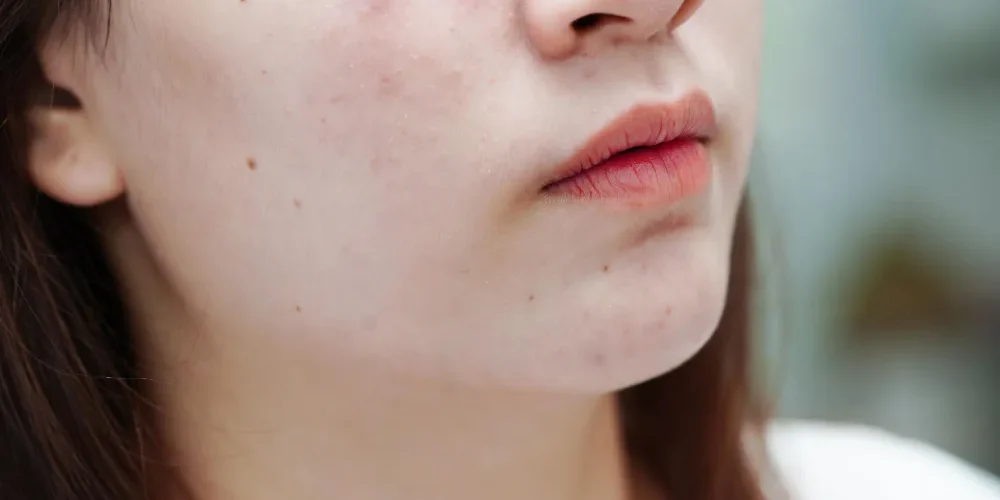
Which Acne Scar Treatment Is Best for Sunken Scars?
Sunken acne scars or clinically referred to as atrophic scars are among the most challenging skin concerns faced by patients and aesthetic practitioners alike. Unlike raised scars, these depressions in the skin occur due to collagen loss following severe or prolonged acne inflammation. Following the growing awareness and advances in aesthetic medicine, patients are actively searching for the most effective acne scar treatment to restore smooth, healthy-looking skin.
However, with so many options available as of today, opting for the acne scar treatment that is best for sunken scars requires a deeper understanding of scar types, skin biology, and modern treatment modalities. In Malaysia, where environmental factors like high humidity and UV exposure can influence skin healing, selecting a clinically-proven approach is vital for achieving lasting results.
Understanding Sunken Acne Scars
Sunken scars form when acne damages the deeper layers of the skin, preventing proper collagen regeneration during the healing process. These scars are typically categorised into three main types based on their physical characteristics and depth:
- Ice pick scars: Deep, narrow scars that extend into the dermis, often appearing like small, deep pits.
- Boxcar scars: Broad, sharply defined depressions that create a “punched-out” look with vertical edges.
- Rolling scars: Wave-like indentations caused by fibrous bands pulling the skin downward toward the underlying tissue.
Each scar type responds differently to intervention, which is why a personalised acne scar treatment plan is essential for optimal outcomes. At Neo Areum Clinic, we assess each patient’s unique skin profile to determine the most effective path forward.
Why Sunken Scars Are Difficult to Treat
Unlike pigmentation issues or active acne, sunken scars represent structural damage to the skin’s architecture. Topical products alone are rarely sufficient, as they cannot penetrate deeply enough to rebuild the lost collagen structure. Effective acne scar treatment must reach the dermis to stimulate the body’s natural wound-healing response and encourage the production of new collagen and elastin. This process, known as neocollagenesis, is the biological foundation of skin resurfacing. Without professional intervention to remodel this tissue, sunken scars can remain a permanent fixture on the complexion, often leading to reduced self-confidence and emotional distress for the individual.
Top Aesthetic Treatments for Sunken Scars
The modern aesthetic clinic offers several advanced technologies designed to remodel scar tissue by triggering cellular renewal. While each has its merits, the “best” treatment often involves a combination of the following clinical modalities:
1. Subcision
Subcision is considered the gold standard for rolling scars. A specialised needle or cannula is used to break the fibrous bands that tether the skin to the underlying tissue. Once these bands are released, the skin surface rises, leading to a smoother appearance. The controlled trauma also creates a small “pocket” of blood that promotes natural healing and volume restoration.
2. Fractional Laser Therapy
Fractional CO2 and Erbium lasers are powerful tools in acne scar treatment. They create microscopic thermal injuries in the skin, which triggers a robust healing response and significant collagen production. This method is particularly effective for boxcar and superficial ice pick scars, as it resurfaces the top layer of the skin while tightening the deeper layers.
3. RF Microneedling
Radiofrequency (RF) microneedling combines traditional microneedling with heat energy. The needles penetrate the skin while delivering RF energy directly into the dermis, making it an excellent acne scar treatment for improving skin texture and tightening. It is often safer for darker skin tones commonly found in Malaysia, as it carries a lower risk of post-inflammatory hyperpigmentation compared to fully ablative lasers.
To learn more about the specific technologies we employ and how they can be combined for your skin type, you may view Our Services for a comprehensive list of available modalities.
The Patient Journey and Safety in Malaysia
Choosing the right acne scar treatment begins with a professional assessment. A clinician will typically use specialised lighting or 3D skin analysis to map the depth and distribution of scars. This allows for a bespoke plan that may include “multi-modality” therapy—using different tools for different areas of the face.
In Malaysia, aesthetic procedures must be performed by qualified medical professionals in a registered clinical setting. The Ministry of Health Malaysia mandates that doctors performing advanced acne scar treatment possess a Letter of Credentialing and Privileging (LCP). This ensures that treatments are conducted safely and that any potential complications, such as infection or prolonged redness, are managed with high-level medical expertise. Following treatment, consistent sun protection is mandatory to prevent UV damage to the newly regenerating skin cells. Most patients begin to see a visible change in skin texture after 2 to 3 sessions.
Frequently Asked Questions (FAQ)
The most effective treatment depends on your specific scar types (ice pick, boxcar, or rolling) and your skin tone; often, a combination like subcision and RF microneedling yields the best results.
Most acne scar treatment protocols require 3 to 6 sessions spaced 4 to 6 weeks apart, as collagen remodelling is a gradual biological process.
While total removal to a “pre-acne” state is rare, modern methods can significantly improve skin texture and reduce scar depth by approximately 50% to 80%.
Most treatments are well-tolerated with the use of high-strength topical anaesthesia; patients typically experience only mild and temporary discomfort during the procedure.
Yes, but selection is crucial. Modalities like RF microneedling and subcision are generally safer for darker skin tones than certain aggressive ablative lasers.
Conclusion
Determining the ideal acne scar treatment for sunken scars is a process that balances clinical science with individual skin needs. Because atrophic scars represent a loss of structural integrity deep within the dermis, successful intervention requires more than topical applications; it necessitates advanced medical technologies that can stimulate the body’s innate regenerative powers. By focusing on collagen synthesis and tissue remodelling, these professional treatments provide long-term value, helping patients achieve a smoother, more resilient complexion that stands the test of time and significantly improves overall quality of life.
At Neo Areum Clinic, we are dedicated to providing a standard of care that reflects both medical excellence and personalised attention. Our certified practitioners understand the psychological impact of scarring and are committed to guiding you through a safe, supportive, and effective treatment journey. We believe that every patient deserves a tailored approach that respects their unique skin biological profile and aesthetic goals. We invite you to experience the difference of a professional clinical environment and book a consultation with our team of experts today to begin your transformation toward clearer, more confident skin.